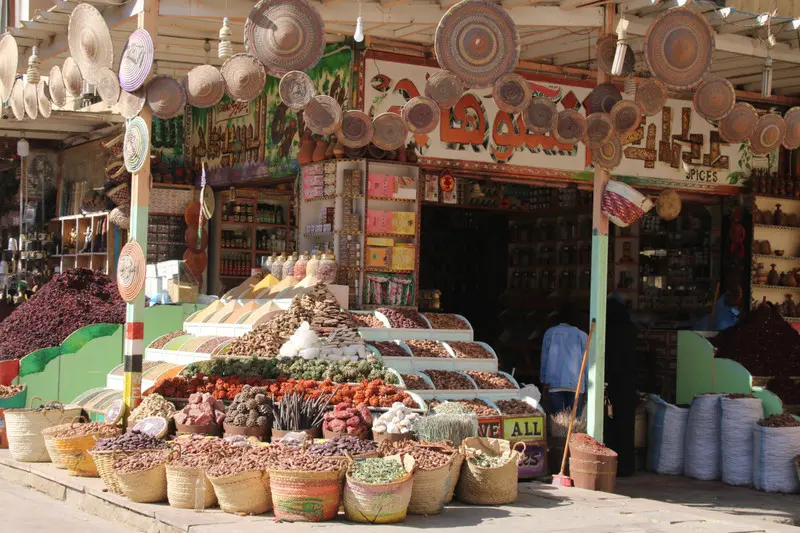
From Souqs to Spices
When most travelers think of Egypt, iconic landmarks like the Pyramids of Giza, Karnak Temple, or Abu Simbel often come to mind. But beyond the ancient monuments lies another unforgettable experience—exploring the vibrant local markets, or souqs, where everyday life unfolds in a colorful display of culture, craftsmanship, and tradition.
Shopping in Luxor and Aswan is far more than a chance to buy souvenirs. It’s an opportunity to immerse yourself in the sights, sounds, and aromas of Upper Egypt. Wander through narrow streets lined with spice merchants, handcrafted jewelry, colorful textiles, and artisan workshops where skills passed down through generations are still practiced today. Every stall has a story, every product reflects a piece of Egyptian heritage, and every conversation offers a glimpse into the warmth and hospitality of local communities.
Whether you’re searching for authentic Nubian handicrafts, fragrant spices, handmade alabaster sculptures, or traditional Egyptian perfumes, the markets of Luxor and Aswan provide one of the most rewarding cultural experiences in Egypt.
Why Shop in Luxor and Aswan?
Unlike large commercial shopping centers, the traditional souqs of southern Egypt preserve centuries-old trading traditions. Merchants proudly display handmade goods crafted by local artisans, many using techniques that date back to ancient times. Shopping here supports local families, encourages traditional craftsmanship, and allows visitors to take home meaningful pieces of Egyptian culture rather than factory-made souvenirs.
The markets are also wonderful places to observe daily life. Locals bargain over spices, families shop for fresh produce, children play through the narrow alleyways, and the scent of freshly brewed mint tea drifts through the air. These authentic moments often become some of the most memorable experiences of any trip to Egypt.
Luxor: Shopping in the City of Kings
Luxor has welcomed travelers for centuries. Once the capital of ancient Thebes, it continues to attract visitors from around the world—not only for its remarkable archaeological treasures but also for its lively traditional markets.
Luxor Souq (El Souq El Qadim)
Located close to Luxor Temple, Luxor Souq is the city’s most famous traditional market. Stretching along several streets, the souq offers an exciting blend of local life and tourist-friendly shopping.
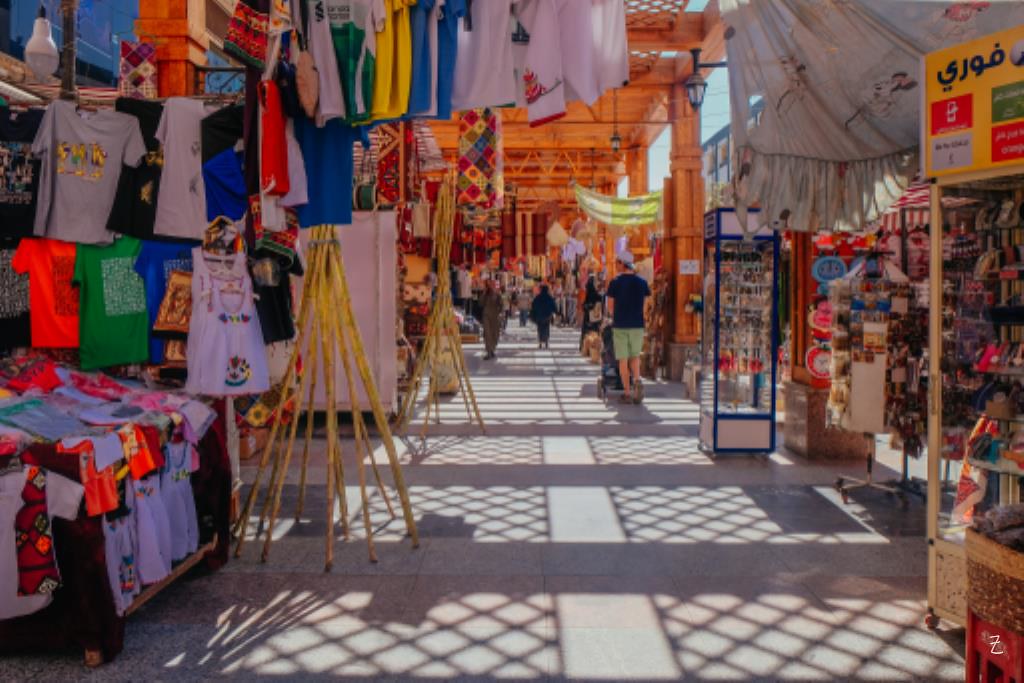
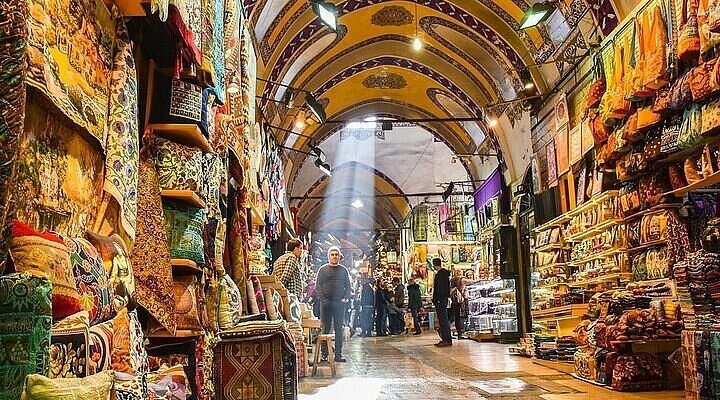
Walking through the market is an adventure for the senses. Brightly colored fabrics hang from shop entrances, baskets overflow with aromatic herbs and spices, while merchants proudly display handcrafted souvenirs inspired by Egypt’s ancient civilization.
Popular items include:
- Egyptian spices and herbal teas
- Handmade scarves and shawls
- Silver jewelry
- Alabaster statues and decorative vases
- Traditional perfumes and essential oils
- Papyrus paintings
- Leather bags and sandals
- Hand-carved wooden boxes
One of the best times to visit Luxor Souq is during the evening when cooler temperatures bring both locals and visitors into the streets. Cafés become lively, vendors greet customers with friendly smiles, and the market takes on a festive atmosphere.
West Bank Alabaster Workshops
Across the Nile on Luxor’s West Bank, many family-owned alabaster workshops welcome visitors interested in learning about one of Egypt’s oldest artistic traditions.
Artisans carefully carve statues, bowls, lamps, and decorative pieces from natural alabaster using techniques inspired by ancient craftsmen. Watching these skilled workers transform raw stone into beautiful works of art is almost as fascinating as the finished products themselves.
When purchasing alabaster, ask whether the piece is handmade or machine-produced. Genuine hand-carved alabaster usually feels cooler and heavier than imitation versions made from synthetic materials.
Aswan: Shopping with a Nubian Touch
Aswan offers a completely different shopping experience. Influenced by Nubian, African, and Middle Eastern cultures, its markets have a relaxed atmosphere and a distinctive local character that reflects the city’s unique history.
Aswan Souq (Sharia As-Souq)
Running through the heart of the city, Aswan Souq has served as a trading center for centuries. Historically, merchants from Sudan, Nubia, and central Africa brought spices, textiles, and handcrafted goods to this important commercial hub.
Today, visitors can explore dozens of small shops selling an impressive variety of local products.
Among the most popular purchases are:
- Brightly colored Nubian baskets
- Dried hibiscus flowers (Karkade)
- Fresh spices
- Natural henna
- Dates and local nuts
- Handmade jewelry
- Cotton clothing
- Traditional perfumes
- Decorative pottery
The market is especially lively after sunset when families gather to shop, cafés fill with conversation, and the aroma of spices and freshly brewed tea fills the air.
Visit a Nubian Village for Authentic Crafts
One of the most rewarding shopping experiences near Aswan is visiting a traditional Nubian village.
Unlike commercial markets, many Nubian families sell handcrafted items directly from their homes. Visitors can browse colorful paintings, woven bags, embroidered textiles, handmade jewelry, painted calabashes, pottery, and decorative household items while learning about Nubian culture and traditions.
Purchasing directly from local artisans ensures your money supports the community while giving you the opportunity to own truly authentic handmade products.
Many travelers find these village visits to be among the highlights of their journey through southern Egypt.
Egyptian Spices You Should Bring Home
No visit to the souqs would be complete without exploring Egypt’s famous spice stalls.
The vibrant displays feature ingredients that have flavored Egyptian cuisine for thousands of years.
Some of the best spices and herbs to buy include:
- Cumin
- Coriander
- Turmeric
- Cinnamon
- Cardamom
- Cloves
- Black pepper
- Dried mint
- Fennel
- Anise
Another favorite is Karkade, the dried hibiscus flower used to prepare Egypt’s famous ruby-red herbal tea. Served hot or cold, it is refreshing, naturally caffeine-free, and makes an excellent gift.
Shopping Tips from the Locals
Shopping in Egyptian markets follows traditions that are both friendly and enjoyable.
To make the most of your experience:
- Bargain politely and with a smile.
- Don’t feel pressured to buy immediately.
- Compare prices between several shops.
- Carry small denominations of Egyptian pounds.
- Ask permission before photographing vendors.
- Inspect handmade items carefully.
- Purchase from reputable artisans whenever possible.
Remember that bargaining is part of the culture. Most merchants expect friendly negotiation, and many conversations end with tea, laughter, and new friendships regardless of whether a purchase is made.
Beyond Souvenirs: Taking Home a Piece of Egypt
The true value of shopping in Luxor and Aswan lies not in the objects themselves but in the memories attached to them.
A hand-painted scarf may remind you of wandering through a lively market at sunset. A bag of fragrant spices may bring back memories of friendly conversations with local vendors. A handmade Nubian basket or carved alabaster vase represents centuries of craftsmanship passed from one generation to the next.
These are not simply souvenirs—they are stories you can carry home.
Final Thoughts
The traditional souqs of Luxor and Aswan are among the most authentic places to experience the living culture of Egypt. Beyond the temples and archaeological wonders, these vibrant markets reveal another side of the country—one filled with skilled artisans, colorful traditions, aromatic spices, and genuine hospitality.
Whether you’re browsing the bustling lanes of Luxor Souq, watching an alabaster craftsman at work on the West Bank, searching for fragrant hibiscus tea in Aswan, or purchasing handmade treasures directly from a Nubian family, every shopping experience becomes part of your journey through Upper Egypt.
Take your time, explore beyond the main streets, talk with local merchants, and embrace the spirit of the souq. You may arrive looking for souvenirs, but you’ll leave with something far more valuable—a deeper connection to Egypt’s culture, its people, and the timeless traditions that continue to thrive along the banks of the Nile.